
So, from the post’s title, it’s obvious that we will be discussing about the latest legal and ethical marketing concerns in this advanced digital age.
#1- SPAM
Everybody is continually annoyed by spam e-mails appearing in their inboxes. I mean, just look at your inbox, there’s loads of emails piling up. However what exactly is spam, and why is it sent? Most importantly, how can you eliminate unwanted spam e-mails entirely?
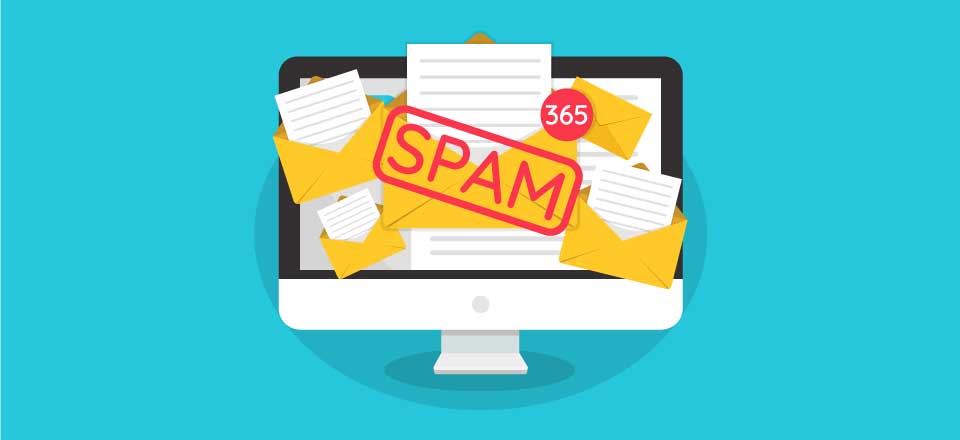
Spam (often termed junk) is any unsolicited and unwanted messages that are being sent electronically. Such messages are generally sent to multiple recipients (by e-mail) and the world’s inboxes are filled with constantly. Spam email’s most common types can be categorized into the following 4 groups: Ads, Hoaxes, Phishing and Malware.
Why do we receive spam e-mails?
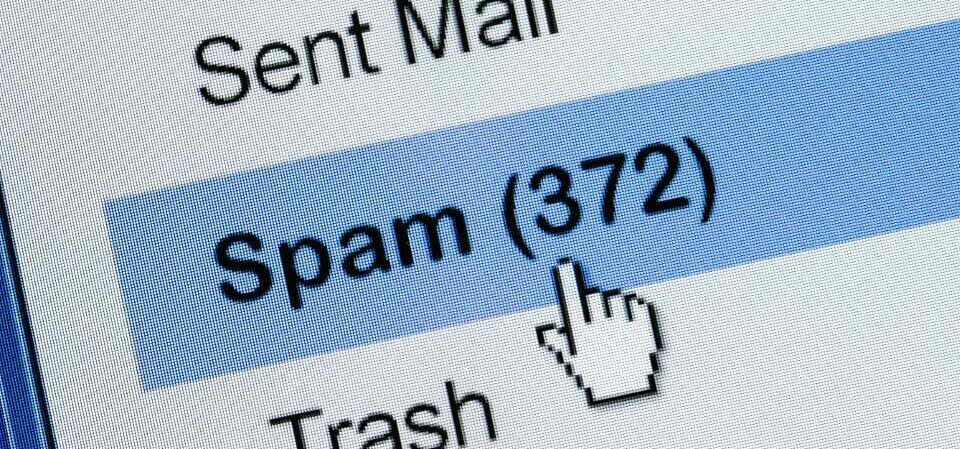
In certain situations, carelessness on the part of the user allows spammers and spambots to obtain the details they need. Website operators are often authorized to utilize the e-mail address provided in compliance with the terms and conditions for promotional purposes when registering for giveaways.
Most giveaways are designed for the sole objective of obtaining spam emails. Mentioning your address on platforms like blogs, social networks, forums, messages and comments will make it even easier for email harvesters to target you.
How to prevent spam?
It’s difficult to completely protect yourself from spam e-mails as there are too many spammers and spambots out there. Nonetheless, there are several techniques and tricks to minimize the volume of spam you get.

For instance, give your main e-mail address only when absolutely necessary and certainly don’t use it for dubious gifts or for registration with unidentified sites. It makes sense to be using a second e-mail address for less significant internet services which is not used for other activities. Avoid posting your main email on sites. Ensure that you only provide your email address to secured online portals and networks, and using a revised spelling.
#2- Privacy Issues
There is no doubt that the use of the Internet is the fastest way to connect with the world. However, it’s not the safest one. The internet is full of scams and threats and you’re on the brink of security threats when you want to be online. Most users of the internet are least concerned about their online privacy and are unaware of the potential risks linked with that privacy.
Spying & Snooping

Once you’re online, a number of trackers monitor you on for different purposes. Trackers keep track of your search history and monitor all of your internet activities via different means. It gives them a clear idea about who you are and what your interests are. This tracking is used for advertising purposes and enables marketers to display ads based on your preferences and interests. But, it’s common for hackers to use these data to carry out unlawful and illegal activities which threaten your existence online.
Information Mishandling

There are numerous websites that require you to fill in your personal information in order to utilize their services. These websites also store cookies and save your personal information, and use it for various purposes. Almost all of the time, this information isn’t secured and anyone can access it. Such mismanagement of personal information can have serious implications.
Location Tracking
Most Internet users openly upload their posts on social media showing their location alongside tagging friends and members of their family. Sharing your live experiences with friends and family seems to be enjoyable and exciting. However this information is not only limited to your intended audience alone.
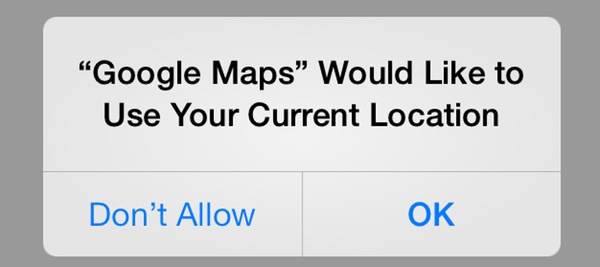

In addition to social media applications, Google Maps and other devices are now requesting for your location. Thus, by turning on your phone, you are providing the world with your precise location and what your next move is, which is certainly risky and unsafe.
#3- Fake Stuffs

Does the term “Fake followers” sound familiar to you?
If you answered yes, it is presumably because you are justifiably trying to keep fake followers away from your profiles on social media. In an era where satisfying your social media marketing expectations depends greatly on user engagement, you just simply can not afford to let any inactive accounts creep into your network or that of the influencers you want to collaborate with. But how do you know if an Instagram account has fake followers?
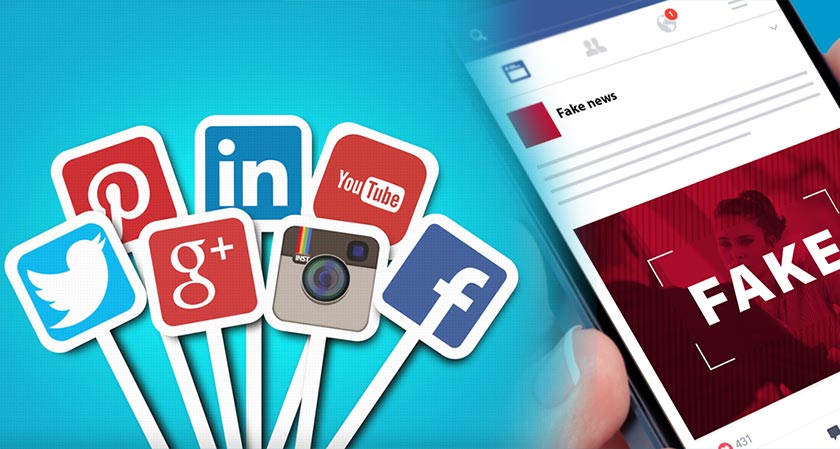
Fake followers include fake social media accounts that have been created for money with the purpose to mass-follow other social media profiles. Typically these accounts are either bots or inactive, implying they’re not interacting with your content. They often spread spam-ridden posts on rare occasions when they get active, ranging from silly memes to fake news.
Here’s a video by Xiaxue, where she talked about Fake Instagram followers:
There’s many ways to develop a dedicated community on social media instead of buying fake followers. Building organic following will be far more worthwhile than buying fake followers would be.
Here’s a video showing how you can gain followers organically:
To conclude, although there are many measures to be taken to reduce the risk of such legal and ethics issues, it’s still an endless issue as there are lots of spammers out there that are perpetually coming up with new ways to perform out their activities.
That’s just it! Share your thoughts in the comment section below.

 XinRui's Blog
Hey XinRui! Great post, love the examples here! You touch on fake followers on Instagram, but what do you think are the effects of having fake or paid followers on businesses on social media? Do you think it is right?
LikeLike
Thanks for commenting! Great that you love my examples! With regard to your question, I feel businesses with fake followers may be detrimental to their brands.
Fake followers will inflate your engagement numbers dramatically. That is because fake followers aren’t going to engage with the social media posts by the brand. Therefore, they induce lower interest, lower news feed rankings and lower brand conversions. Having fake followers will tarnish your brand, clutter your followers and destroy your reputation. Thus, I’ll urge companies to put in extra effort and work in order to create a legitimate presence in social media.
LikeLike
Great post! I can indeed relate to the spam part because I’m also dealing with this issue and sometimes it’s really to the point where I really don’t feel like checking my email anymore as there’s too much inside! My inbox consists of thousands of emails. Thus it’s incredibly difficult to sort out the mail because it’s mixture of important and junk mails.
I am actually worried that our online privacy will gradually become non-existent as technology evolves. When I browse the internet, I always worry about my online privacy due to various issues including spam and viruses, as well as a bunch of people that are trying to benefit from selling personal data, which is really a serious problem.
LikeLike
Thanks for commenting! I totally agree with you! The amount of emails I receive often gets too much until I give up and just leave it!
I certainly agree with you that privacy has become a prevalent issue. Like what I mentioned in my IoT post, the increase in the number of IoT devices could raise some concerns regarding privacy for consumers. But everything has its own pros and cons and there’s absolutely nothing out there that’s perfect or flawless. It is therefore particularly important for customers to play a part as well, by taking note of the terms and conditions, and also the policies that each organization has in place to protect consumer’s interest.
LikeLike
Hi gxinrui, Interesting post i agree to a large extent that influencers buying fake followers to boost their popularity is an unethical issue and they should definitely be genuinely and engage with their followers. I personally also feel that through Word-Of-Mouth it can also easily destroy their reputation if they were found to be fake and this will be an instant downfall for them ! The issue on fake accounts on the rise should also be a major concern as it will also affect someone’s reputation or even affect their life.
LikeLiked by 1 person
Thanks for commenting! Technology has generated the issue of fake news, and it’s enticing to believe that technology will overcome it, that we can only find the right algorithm and code away the problem. I do agree with you that having fake followers will certainly tarnish the reputation of the company and customers may gradually lose trust in the company. Thus, I think that its inappropriate for companies to buy fake followers.
There are actually several tools that businesses can use to remove fake followers. For instance, Fake Followers Check and Twitter Audit. Businesses can start to build organic following after they remove their fake followers. I can confidently say that building organic following will be far more worthwhile than buying fake followers would be.
LikeLike
Hi Xinrui, great post! I personally believe that most of us such as the Millennials and Gen Z are quite knowledgeable and well aware about privacy or spamming issues also cautions when signing up for things online. On the other hand, lots of older folks are gullible and are most slightly to fall into traps easily. There are many times my parents and even my grandparents seek help from me but for those that may not have anyone to seek help from, do you think that perhaps in singapore, there should be classes available for them to learn more about how they can avoid or minimise these situations?
LikeLike
Thanks for commenting! I also agree with your question that there should be courses out there to cater for older generations as to assist them to become more vigilant and cautious in the future. Initiatives are now being extended to empower the aging population of Singapore with basic digital skills, with 100 free workshops to be launched as from September 2019. Furthermore, as Singapore is progressing towards a cashless society, elders will also be taught how to make electronic payments along with scanning QR code!
LikeLike