#SquattyPotty
The Ice Bucket Challenge.
Roman Originals “The Dress”.
Yanny VS. Laurel.
Coca-Cola: “Share a Coke”.

I’m pretty sure there’s a great possibility that almost all of you’ve seen one of the aforementioned “viral” advertisements or posts. Viral marketing is a hot topic especially now that brands are finding ways to break through the chatter and stand out. Today, I’m going to share some marketing campaigns that went viral.
Squatty Potty Unicorn Video Ad

I am sure that everyone is familiar or have seen the commercial by Squatty Potty that went viral. Who would ever think a commercial about toilet stools would go viral?
So what exactly is Squatty Potty? Well, Judy Edwards came out with Squatty Potty, which is a stool that addressed the colon problem of humankind and aims to make their bathroom business an effortless experience. Squatty Potty is famous for their viral video, showing a dreamlike storyline in which a fairy tale prince speaks to the viewer through a cartoon unicorn’s rainbow bowel movements.
Here’s the video that went viral:
This epic marketing campaign has resulted the online sales of the Squatty Potty to rocket by more than 600% and retail sales also jumped by more than 400%! The video has racked up more than 150 million views.

The product was also featured in the popular American TV show- The Shark Tank, and attention from high media stallions like Dr Oz and Howard Stern. The product was also featured in the popular American TV show- The Shark Tank, and exposure from high media stallions like Dr Oz and Howard Stern. Well, the marketing campaign went viral thanks to the straightforward and sarcastic style of Squatty Potty.
ALS Ice Bucket Challenge
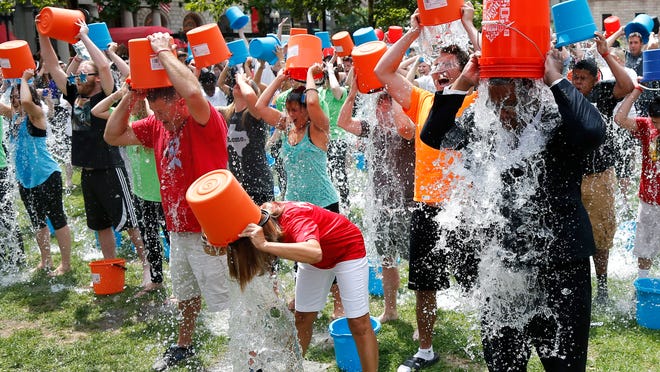
Another iconic marketing campaign that went viral was the ALS Ice Bucket Challenge. The ALS Ice Bucket Challenge was an online effort to raise awareness and funds for people with Amyotrophic Lateral Sclerosis (ALS) disease. Participants had to pour a bucket of ice-cold water over their heads for the challenge, and challenge at least 3 participants to do the same and make a donation to the ALS Association.

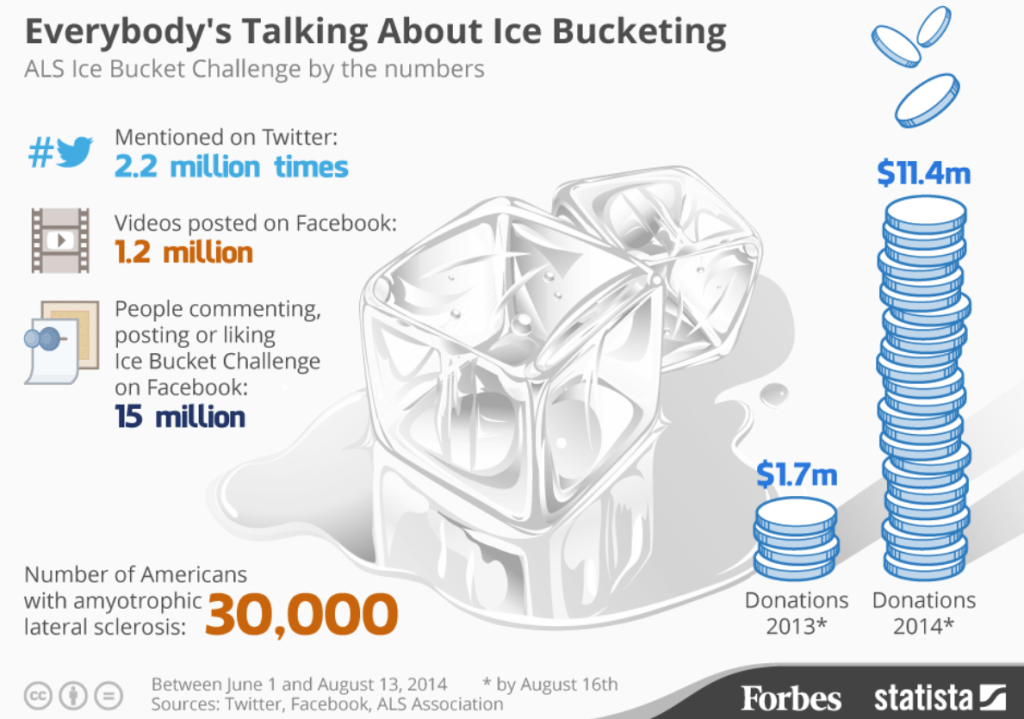
The challenge went viral in July and August 2014, using social media as a platform to reach a global audience. The campaign was popular and viral with more than 17 million people around the world taking part in the challenge.
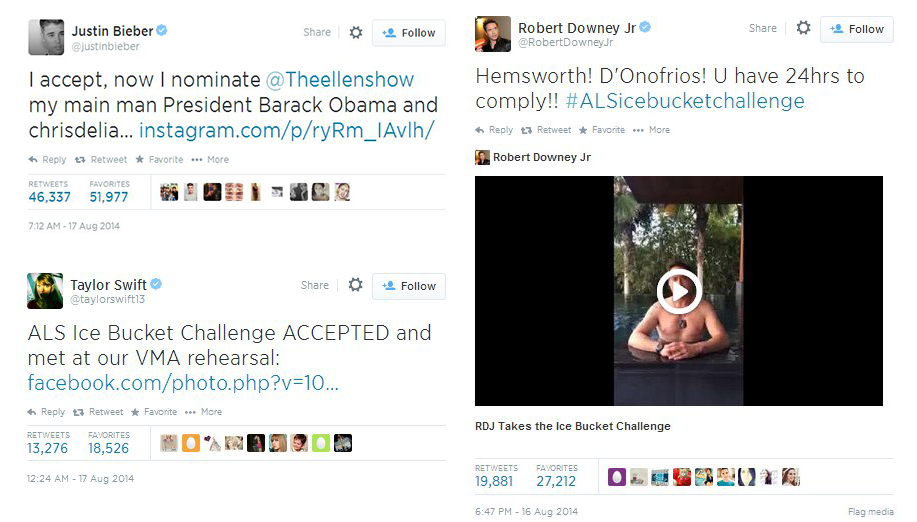
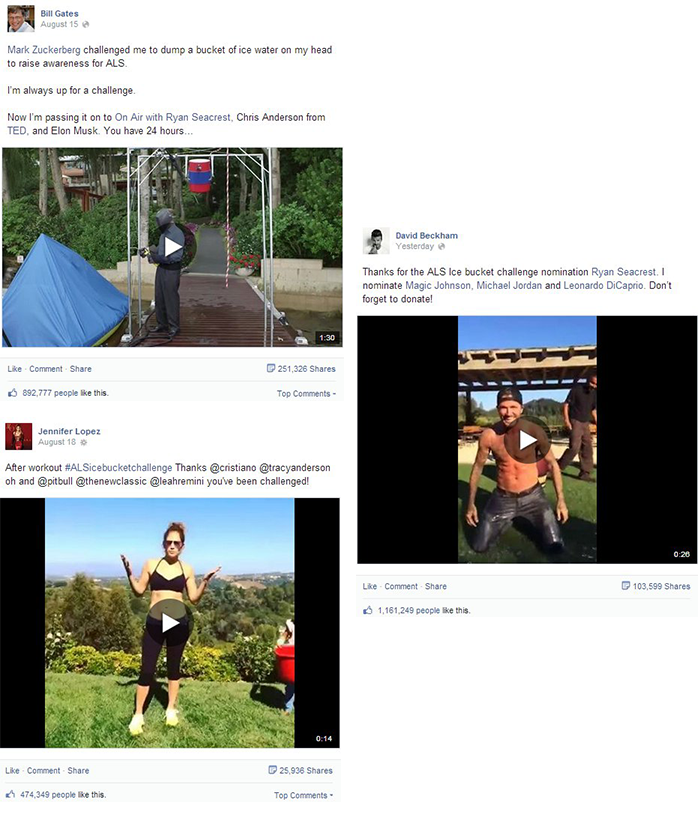
Many celebrities including Bill Gates, George W. Bush, Oprah Winfrey, Tom Cruise, Mark Zuckerberg, Rihanna, Tim Cook, Rafael Nadal, and Cristiano Ronaldo took part in the challenge. Below video shows the Ice Bucket Challenge:
So how did the ALS Ice Bucket Challenge went viral? Well, the Ice Bucket Challenge evoked a positive and high arousal emotion. Participants were asked to challenge at least 3 persons to the Ice Bucket Challenge. When 1 person tells the challenge to 3 other people, and these 3 tell the other 3, then a viral loop is formed. Furthermore, the campaign became successful by drawing celebrities in the challenge as their followers joined in too, leading to publicity worldwide. Celebrities actively created videos and make donations, which led to campaign virality.
Lessons from these viral marketing campaigns? All of these viral marketing campaigns have something in common, they seek to engage the participants with humor and directness, and leave them feeling happy with the brand.
 XinRui's Blog
Interesting read! It is amazing how social media invoked a trend that reached more than 17 millions participants. With almost no cost to advertising, social media platforms have changed the marketing game!
This challenge not only share the awareness of ALS but also the power of social media!
LikeLike
Thanks for commenting on my post! I really appreciate it! I certainly agree that the Ice Bucket Challenge went viral with the help of social media. I am also impressed that a simple initiative such as the ice bucket challenge has been able to go viral, helping to raise awareness of ALS and promoting research donations. Thus, I believe that there are many advantages of viral marketing, such as rapid growth, as it starts to spread and becomes viral. With proper planning and appropriate content, it will definitely help to boost engagement and also raise brand awareness.
LikeLike
Wah, I love the nostalgia in this post! I still remember the days where everyone is nominating friends to do the challenge. Have you ever done ice bucket challenge before?
LikeLike
Thanks for commenting! Nope, I have not done the ice bucket challenge. But I’ve definitely saw people posting about it on various social media platforms and some videos are very humorous! I’m sure that’s also part of the reason how the videos go viral and it helps spread awareness for ALS.
LikeLike
good explanation on the 2 examples for viral marketing! not only did it go viral online, it was the only thing everyone talked about, which is spreading the word of mouth. people were willing to do this challenge because it was convenient.
LikeLike
Thanks for commenting! I am glad you love the examples that I have used in my blog post! I agree with you that word of mouth leads people across online and offline networks to spread awareness and information to other people. Word of mouth not only helps to disseminate information widely, but also quickly! I also agree with you that people were willing to do the Ice Bucket Challenge because it’s convenient. Thus, I believe that it’s important for marketers to keep their campaign simple and easy to understand.
LikeLike
Squatty Potty was definitely a trending topic in the earlier years – I think mainly because it was so unconventional and funny at the same time. Also I love how the ALS Ice bucket challenge became viral although it had just started out via social media platforms and then went to be more public with celebrities getting involved as well.
LikeLike
Thanks for commenting! I do agree that the campaign became viral because it could connect to the audience emotionally. People could relate to the concept of the video. Those viral marketing campaigns were able to tap into the emotions of the users, especially positive ones like joy and awe. As such, the campaigns spread from one person to another, resulting in a large number of views, substantial amount of social shares and remarkable brand awareness.
LikeLike
The ice bucket challenge was quite a meaningful strategy for marketing and advertising a campaign. People nowadays tend to follow the numerous trends on social media and I think it is really interesting!
LikeLike
Hi Jermain, thanks for commenting! I really appreciate it! I agree with you that people nowadays tend to follow various social media trends. Thus, this is why a marketing campaign go viral. I believe that marketing campaign go viral because it spreads from person to person, giving rise to a wide range of views, significant media shares and incredible brand awareness.
LikeLike
Hey Xin rui! You really brought me back memory lane by mentioning the ice bucket challenge haha! I fell you have given some interesting examples of viral marketing. However do you have any theories to explain how only some marketing campaigns go viral while others fail to match the success of the ice bucket challenge for example?
LikeLike
Hi Raihan, thanks for commenting! Pertaining to your question, I believe that a viral marketing campaign should be able to tap into the emotions of the users, especially positive ones like joy and awe. The truth is, very few people know what goes into making a viral marketing campaign a success until it starts spreading. Nonetheless, there are some businesses that have understood what makes the market tick.
I believe that there’s no exact formula for making a success of your viral marketing campaign. Going viral is probably one of the hardest things for advertisers to do. It’s not possible to predict accurately what a viral marketing campaign will make or break.
LikeLiked by 1 person